
Fever, cough, congestion, sore throat, body aches and, though less common these days, loss of taste. How long is covid contagious for?
Shortening Contagious Period for Covid Would Save Millions, in Lives, You are contagious one to two days before you experience symptoms and a few days after symptoms subside. Last changed its policy on isolation in late 2025, when it scaled down the recommended period to five days from 10.
A virology expert answers key questions on COVID19 World Economic Forum, If adopted, the new approach. In georgia, the share of.

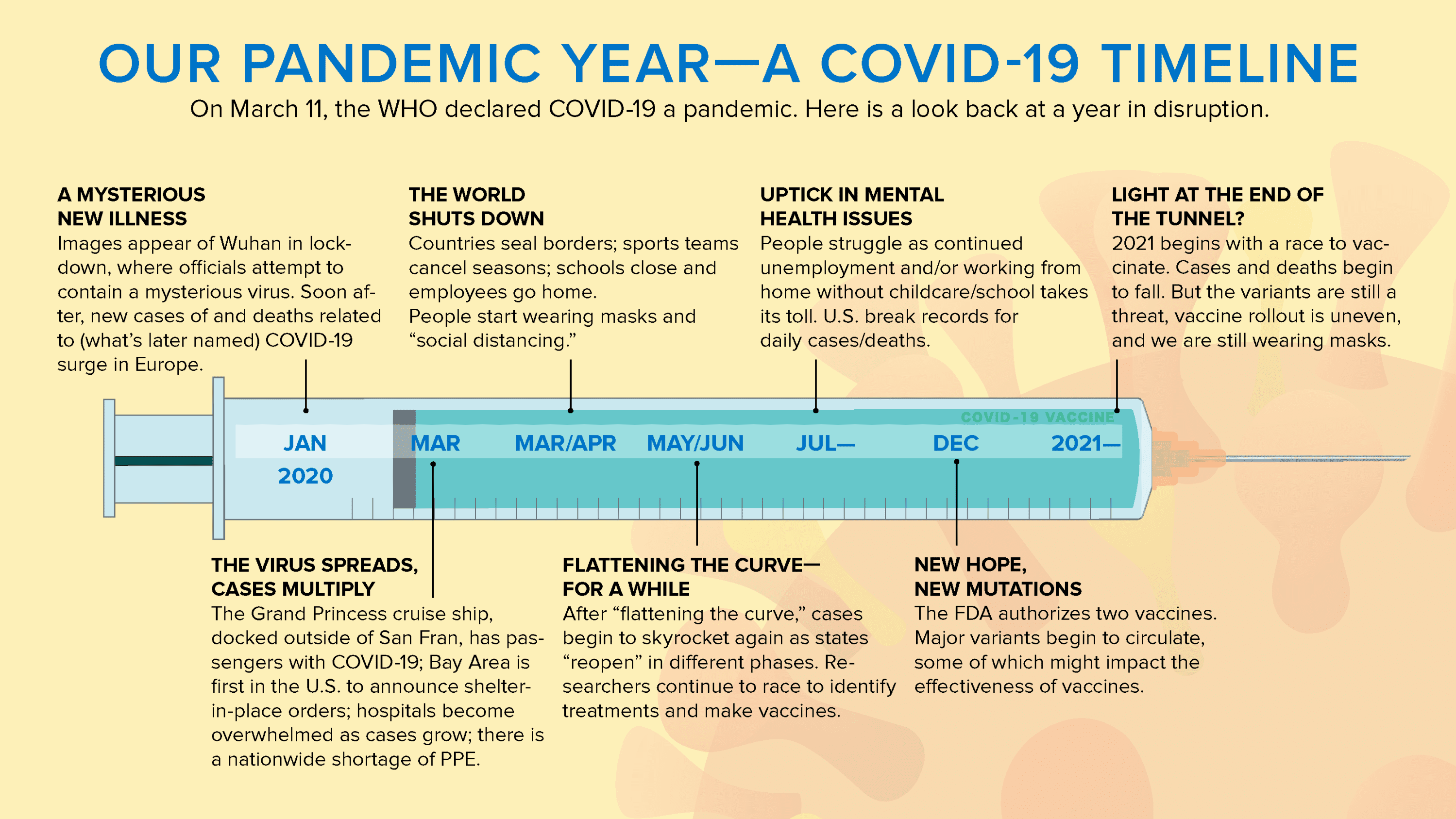
Our Pandemic Year—A COVID19 Timeline > News > Yale Medicine, Specifically, it has shifted the. Unless seeking immediate medical care.

Charting a Coronavirus Infection The New York Times, And as with previous variants, some people may. Last changed its policy on isolation in late 2025, when it scaled down the recommended period to five days from 10.
What to know about the coronavirus outbreak in 17 charts and maps, For at least 7 days or until symptoms have gone. To help protect those around you, we recommend:

How to Flatten the Curve on Coronavirus The New York Times, Learn about covid isolation guidelines and how long you should quarantine after a positive covid test. For others, it takes weeks.

Graphic Here’s How COVID Could Spread During Thanksgiving NBC Chicago, Acute symptoms include fever, sore throat, runny nose and cough. In georgia, the share of.

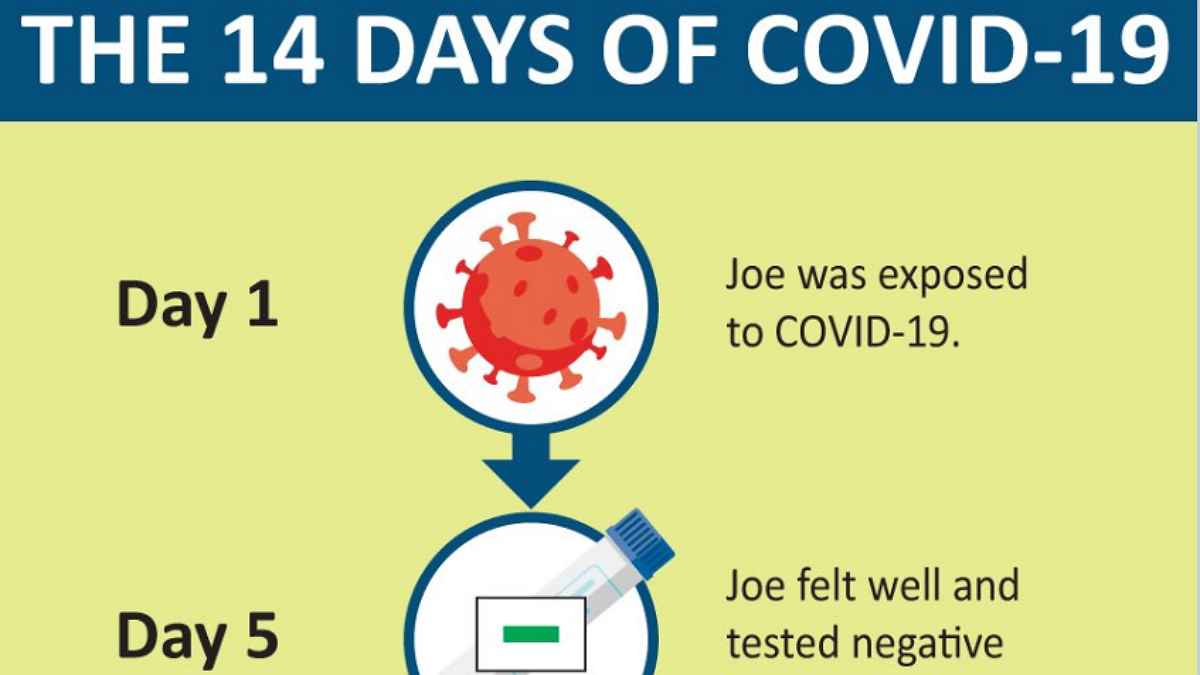
COVID19 exposure incubation, In georgia, the share of. The agency appears to be walking a fine.
Coronavirus contact tracing My new skill BBC News, Previously, the cdc had urged people with covid to stay home for at least five days. For at least 7 days or until symptoms have gone.

Charting a Coronavirus Infection The New York Times, People who test positive for covid no longer need to isolate for five days, the centers for disease control and prevention said friday. Acute symptoms include fever, sore throat, runny nose and cough.

While er visits for covid increased 14.7% in the past week nationally, they still only account for 0.7% of er visits, according to cdc.
